
Welcome to Blueberry Whale Books
Little stories from a riverside village
Meet Band of Friends: four young Australian friends who live in a warm riverside community beneath the gum trees, sharing music, play and small adventures.
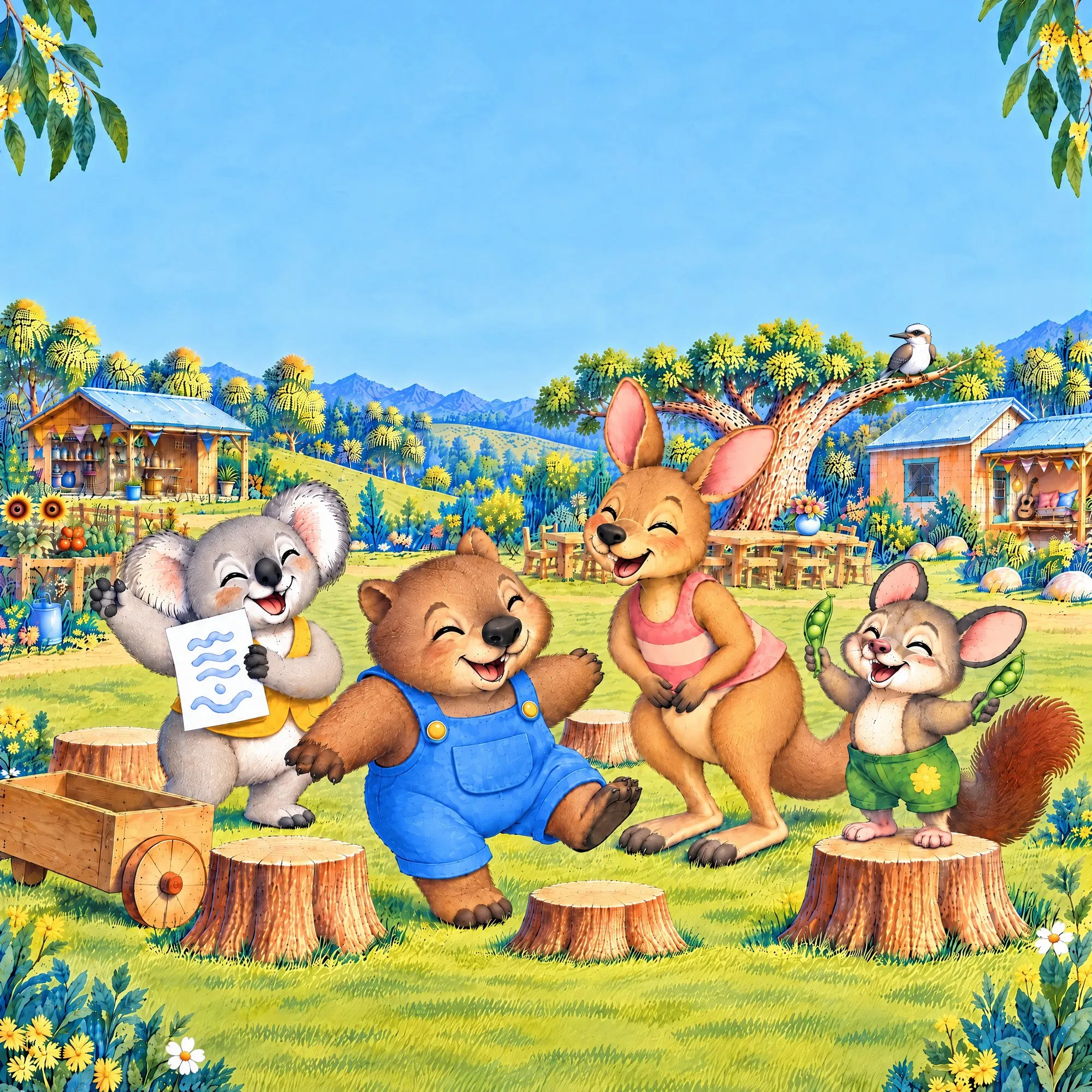
Meet the Band of Friends
Ned, Romy, Tilly and Pip
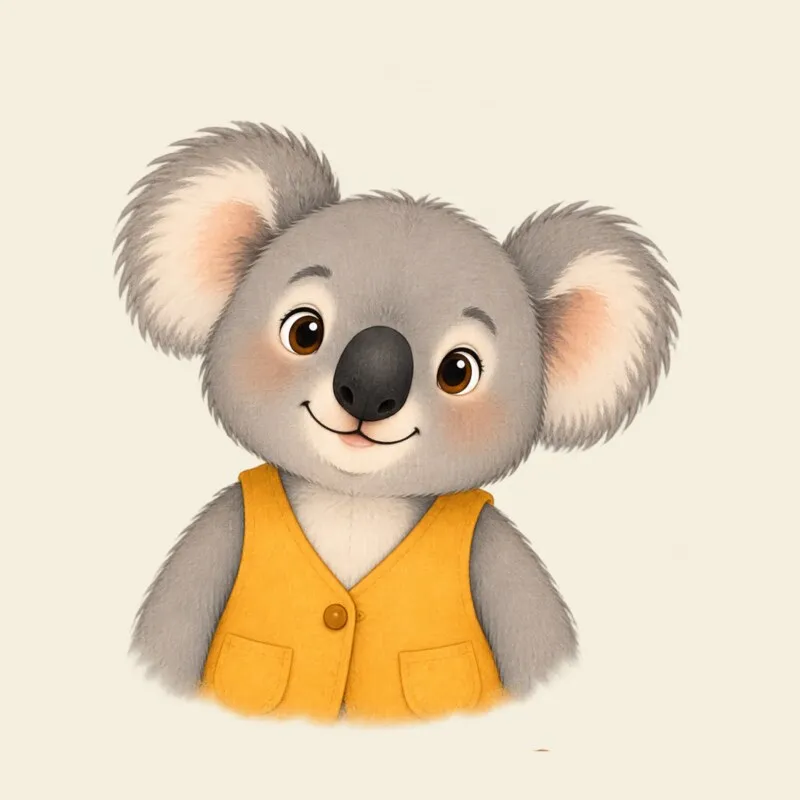
Tilly the koala
Tilly is a curious thinker who loves music, patterns and design. She invents little tunes and asks very precise questions.
Tilly has a plan!
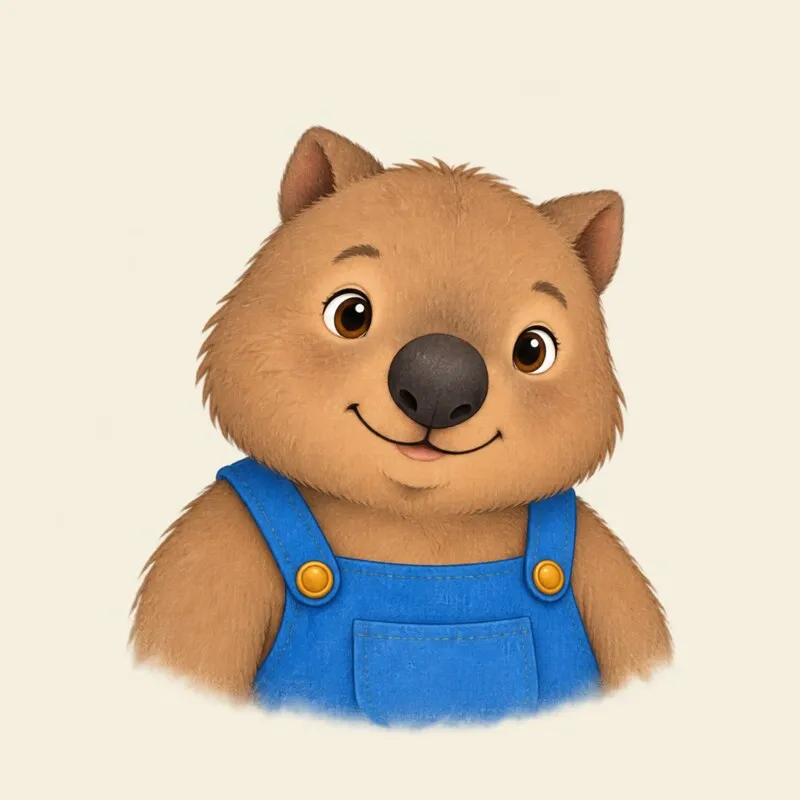
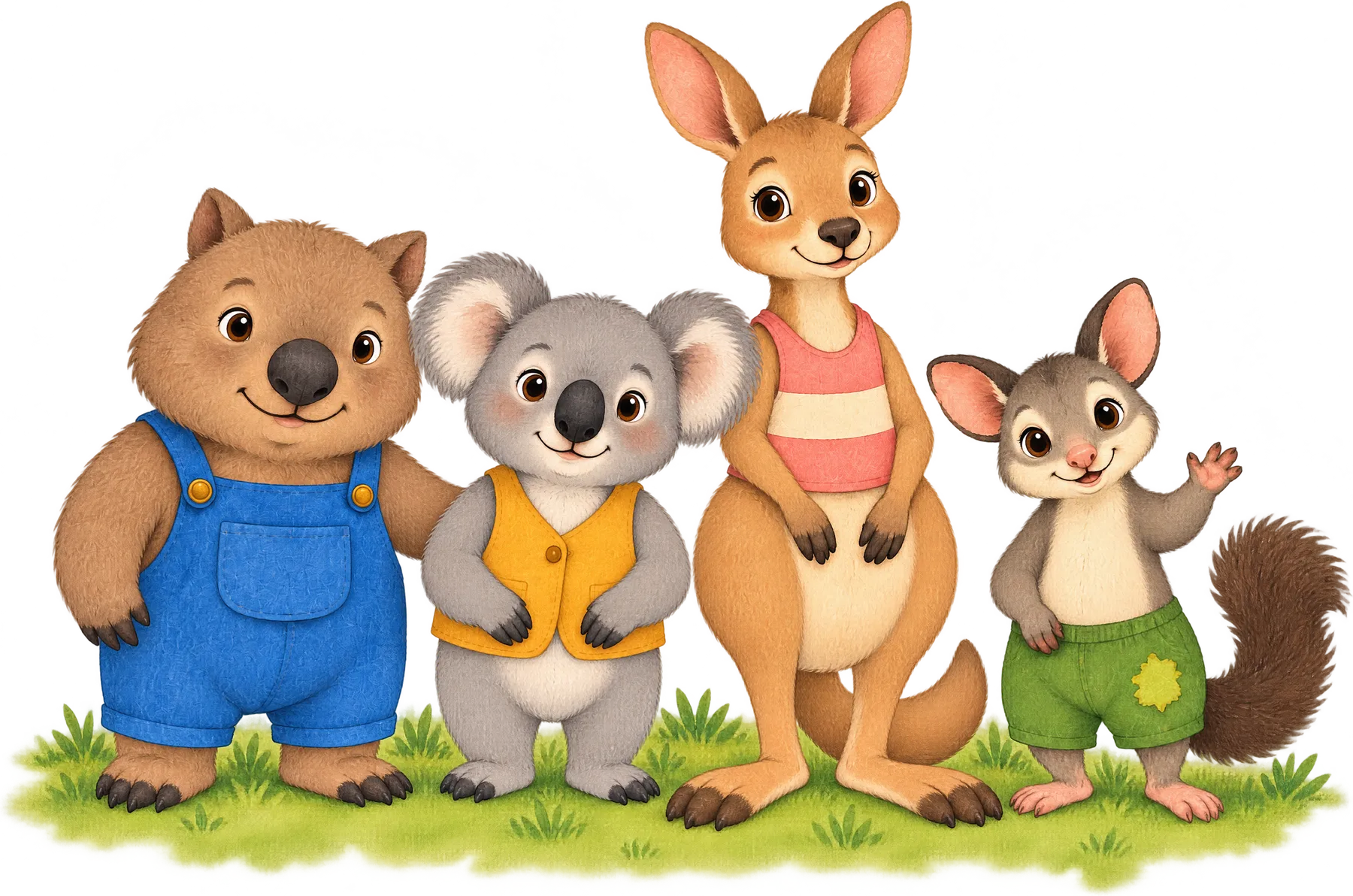
Ned the wombat
Ned is a patient, inventive maker who sees possibilities in everyday things. Almost everything he makes is “nearly finished”.
Ned is nearly finished!
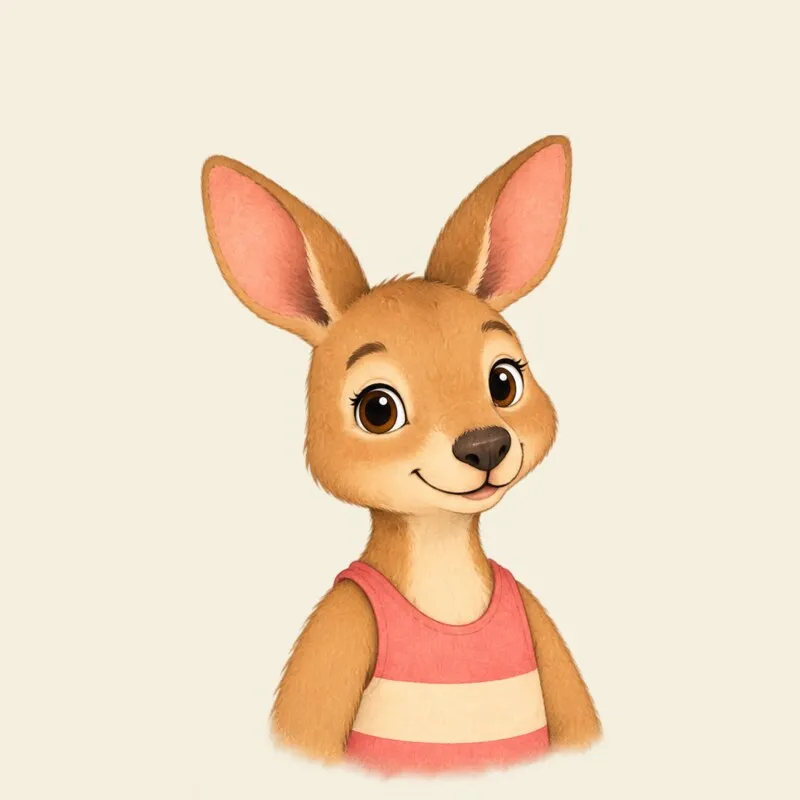
Romy the kangaroo
Romy is an exuberant organiser who loves active games, the outdoors and helping things grow. She wants everyone to join in.
Romy is ready to go!
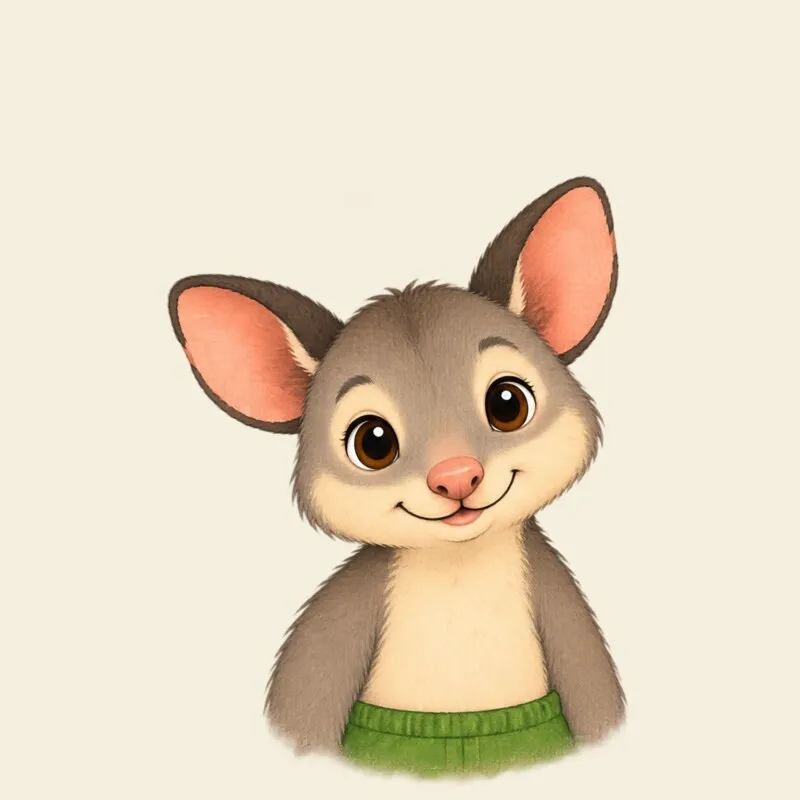
Pip the possum
Pip is a cheeky performer who loves silly voices, surprises and pretend shows, and helping a grown-up prepare food.
Pip can find the fun!
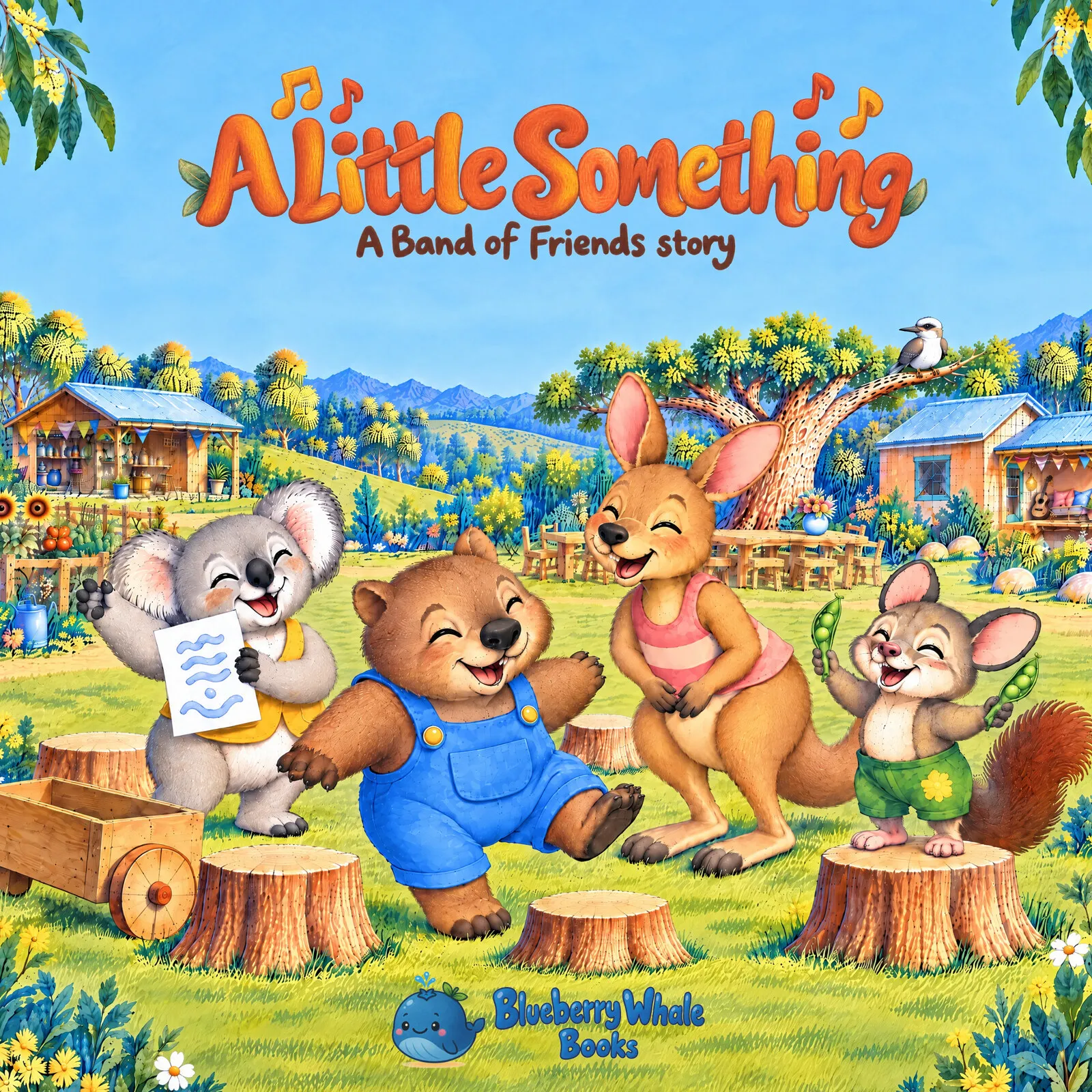
Book one
Discover A Little Something
Tilly has a tune. Her friends have sounds to share. But their song still needs a little something…
Join Tilly, Ned, Romy and Pip for a playful story of music, friendship and finding your own way to join in.
Made for sharing sounds, taking turns and joining in. No musical experience needed.
Try it together
Simple sound games to share
No musical experience needed. Follow your child’s lead: watching and listening count too.
Copy my rhythm
Tap, clap or pat a short rhythm, like “tap, tap, tap”, and take turns copying it. Try it loud, soft, fast or slow.
Listen for sounds
Sit quietly together for a moment, like Tilly. What can you hear? A bird, a tap, the wind? Take turns naming one sound.
Build a song together
Take turns adding a sound, just like the friends: one person sings “la, la, loo”, the next adds a tap, then a thump, then a pop.
For parents and caregivers
Little stories, growing together
Band of Friends stories are made to be shared. Through music, play and gentle humour, each book offers opportunities to explore:
Listening and attention
Tilly tips an ear towards each new sound. The story invites children to practise listening closely and noticing what they hear.
Rhythm and sound play
La, la, loo. Tap, tap, tap. Thump, thump, thump. Pop! Repeating patterns offer opportunities to explore beat, pattern and playful sound.
Language and conversation
Short, rhythmic lines and expressive faces leave room to talk together about what is happening and how the friends feel.
Turn-taking and cooperation
Each friend adds a sound and waits for a turn. Sharing the song invites children to practise taking turns and joining in with others.
Creative confidence
The friends find their “something new” in an unexpected place. Children are invited to add their own sounds, claps and movements.
Why music? A study of more than 3,000 children in the Longitudinal Study of Australian Children found that shared music activities at home at ages 2–3 had small associations with later attention, numeracy and prosocial skills at ages 4–5.Williams, K. E., Barrett, M. S., Welch, G. F., Abad, V. & Broughton, M. (2015). Early Childhood Research Quarterly, 31, 113–124.doi:10.1016/j.ecresq.2015.01.004These findings are about shared music in general; they are not results of this book.
More adventures ahead
The friends have more to discover
Future Band of Friends stories may return to the riverside village to explore everyday moments such as:
- Sharing
- Feelings
- Politeness
- Tidying up
- Toilet learning
- Bedtime